Sheet Metal Flatness Tolerance
Sheet Metal Flatness Tolerance - Does flatness matter in small parts production? Web the flatness tolerance references two parallel planes (parallel to the surface that it is called out on) that define a zone where the entire reference surface must lie. Web sheet metal tolerances are the maximum permissible dimension deviation range during sheet metal processing. Surface flatness is one of the geometric dimensioning and tolerancing (gd&t) standards used to communicate how a part should be manufactured. Flatness tolerance is always less than the dimensional tolerance associated with it. (±0.762mm) and a stacking angular tolerance of 1° per bend. This means the location of these holes is not nearly as tightly controlled as on the lid. Flatness specifications are applied with perfect form not required at maximum material condition. If there is a rule of thumb, a flatness tolerance of.005 per inch is the best that can be achieved without secondary individual checking and straightening. You can check the tolerance chart below:

Thickness Tolerances of Aluminium from Ullrich Aluminium

Tolerance Table Engineering Tolerance Procedural Knowledge

ASTMAISI Thickness Tolerance Ranges Conklin Metal Industries
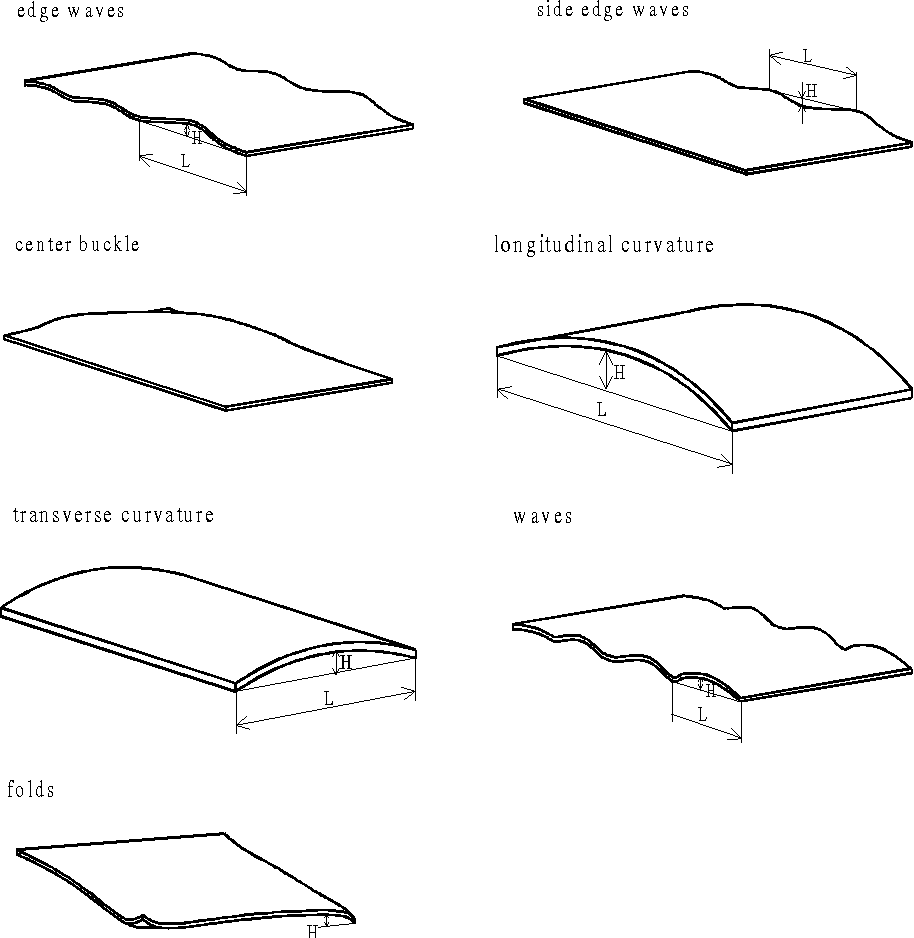
Figure 1 from Online flatness measurement of large steel plates using

MECHANICAL DESIGN ENGINEERING Geometrical Dimensioning and
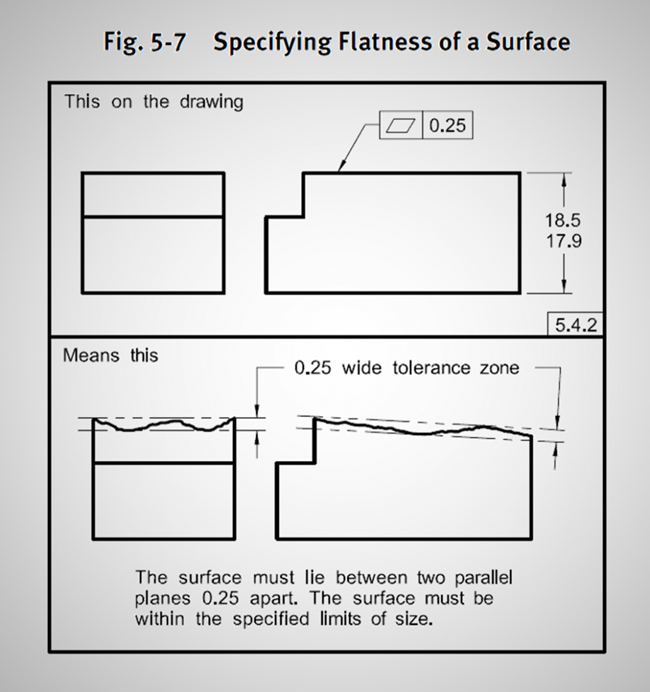
How to evaluate flatness in GD&T Article FARO

Reasonable tolerancing for press brake bending
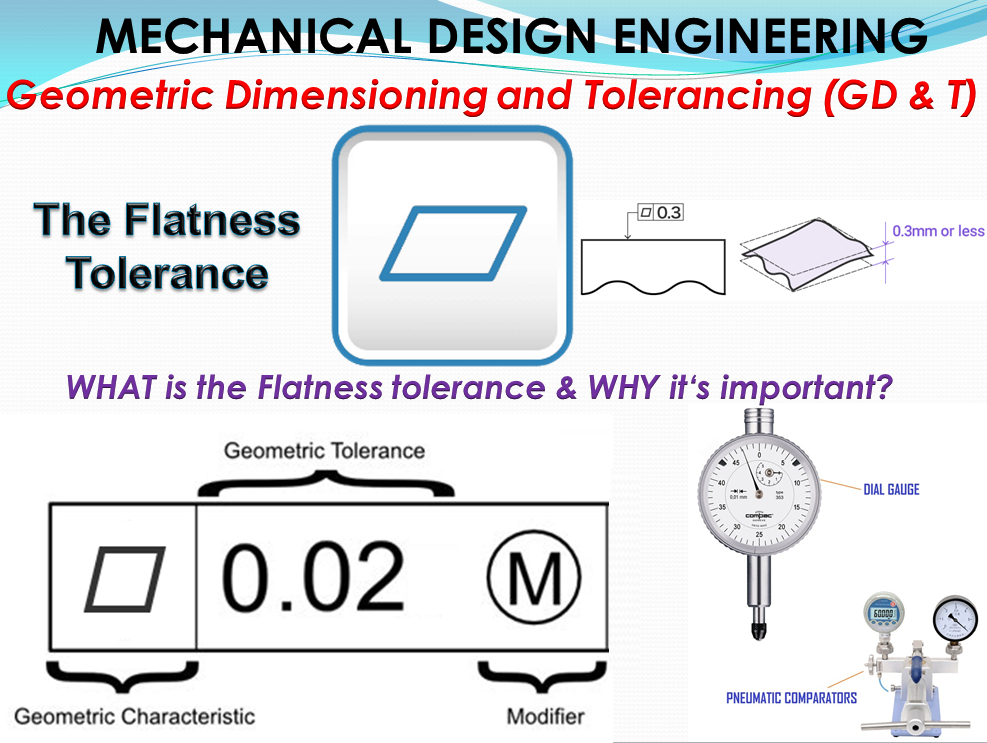
MECHANICAL DESIGN ENGINEERING Geometrical Dimensioning and

(PDF) TOLERANCE HANDBOOK Bluescope Sheet Metal Supplies · 2018. 5. 18

Tolerances to EN 10051 for continuously rolled hot rolled plate sheet
Surface Flatness Is One Of The Geometric Dimensioning And Tolerancing (Gd&T) Standards Used To Communicate How A Part Should Be Manufactured.
Flatness specifications are applied with perfect form not required at maximum material condition. For material 10’ in length or less the flatness variation should not exceed the amount shown in the. This means the location of these holes is not nearly as tightly controlled as on the lid. You can check the tolerance chart below:
Simple Bend / One Surface When Designing Parts With Some Type Of Bend With A Standard Bend Radius, Sheet Metal Tolerances Are Required To Open.
It’s critical to keep this in mind when you are designing sheet metal components. It can also be an important consideration when optimizing for manufacturability. Flatness tolerance is always less than the dimensional tolerance associated with it. Web sheet metal tolerances are the maximum permissible dimension deviation range during sheet metal processing.
Web The Flatness Tolerance References Two Parallel Planes (Parallel To The Surface That It Is Called Out On) That Define A Zone Where The Entire Reference Surface Must Lie.
This concept is vital because it directly affects the quality and performance of the product. (±0.762mm) and a stacking angular tolerance of 1° per bend. If there is a rule of thumb, a flatness tolerance of.005 per inch is the best that can be achieved without secondary individual checking and straightening. Two sets of parallel planes where the entire referenced surface must lie.
Web Flatness Tolerances Technical Resources—Perforated Metal Standards By Placing A Sheet On A Horizontal Flat Surface And Measuring The Distance To The Highest Point Of The Sheet From The Flat Surface, Then Subtracting The Material Thickness.
Ensuring that every product falls within this tolerance range is essential in our work. Does flatness matter in small parts production?