Organic Chemistry 2 Reaction Sheet
Organic Chemistry 2 Reaction Sheet - Learn those named (and unnamed) reactions. For each reaction you study, know where and why the electrons are moving. Starting material (functional group) reagent/reaction conditions product (functional group) mechanism / mechanism features special features (stereochemistry, regiochemistry, kinetic, thermodynamic, etc.) 1. Web don’t simply memorize concepts, learn the concepts by working exercises. Nucleophilic addition at carbonyl groups: Nucleophilic addition at carbonyl groups: 01 bonding, structure, and resonance. The more stable the product, the more favorable its formation will be.in terms of rates, this means that the more stable the product, the faster the reaction. No stereochemistry is implied unless specifically indicated with wedged, solid, and dashed lines. Web organic chemistry ii organic reactions.

How To Study For Organic Chemistry 2 Final Study Poster
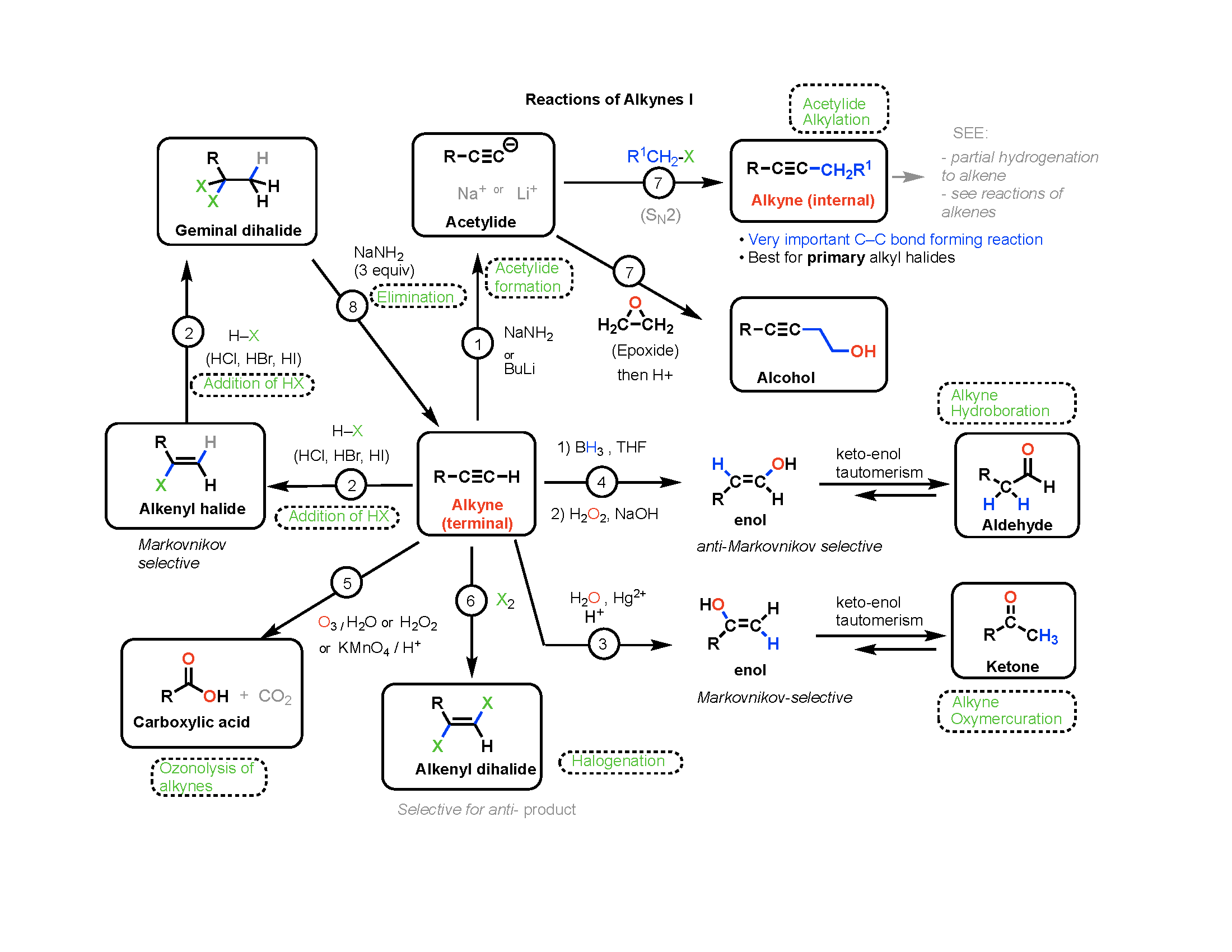
Reaction Maps Now Available Master Organic Chemistry
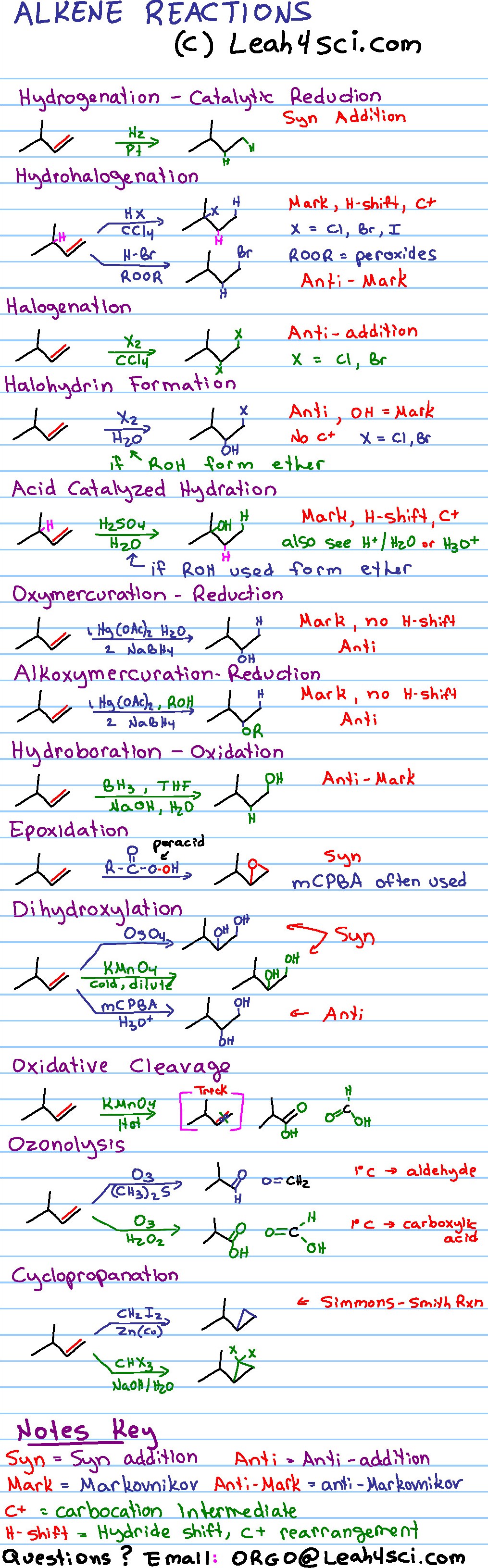
Alkene Reactions Organic Chemistry Cheat Sheet Study Guide 22968 Hot

Organic Chemistry Tutor, Chemistry Class 12, Organic Chemistry
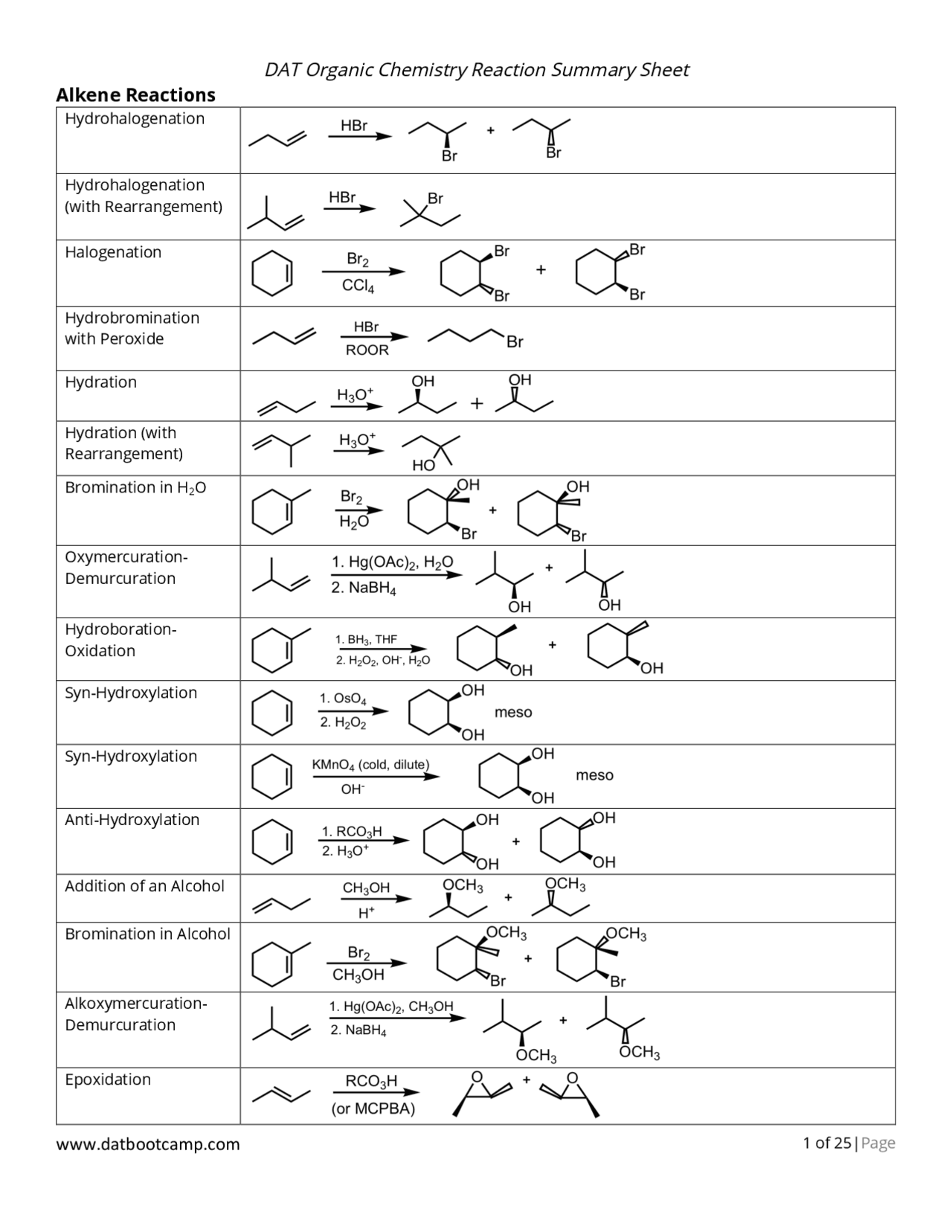
Organic Chemistry Reaction Cheat Sheet Cheat Sheet Organic Chemistry
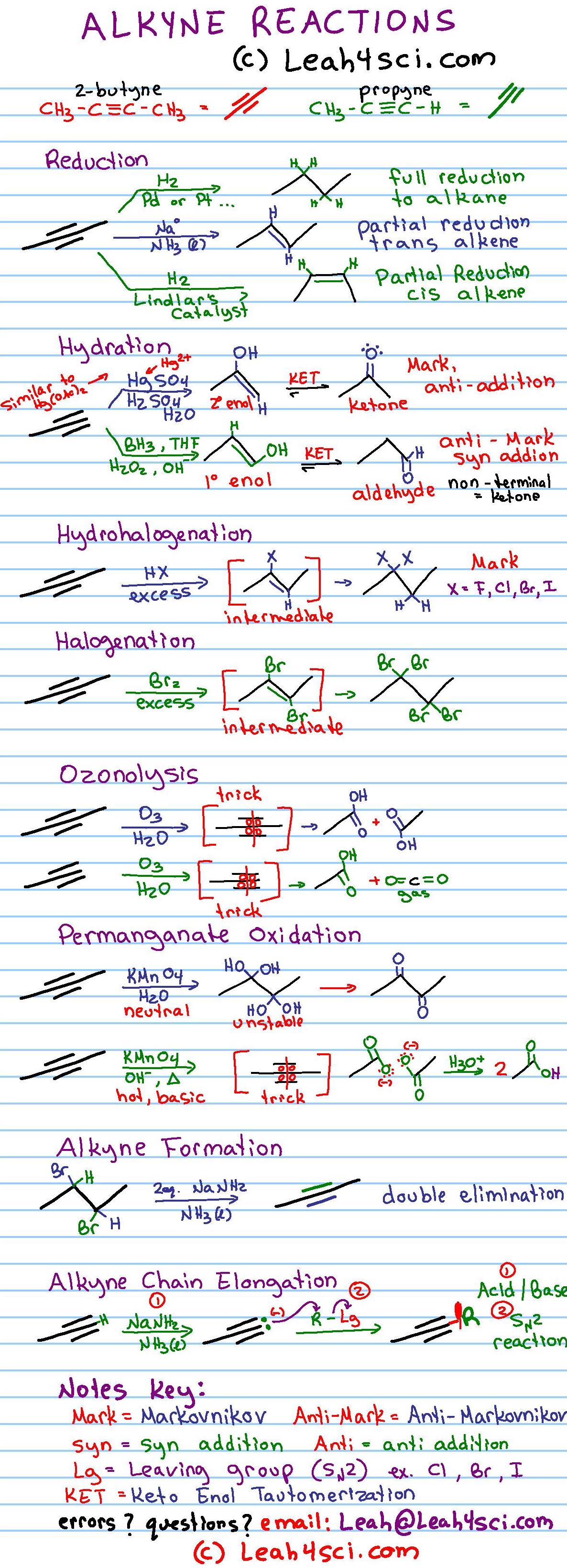
Organic Chemistry Reactions Cheat Sheet

Intro Organic Chemistry Reaction Notes Organic chemistry, Organic

Chemistry Cheat Sheet Printable Printable Word Searches
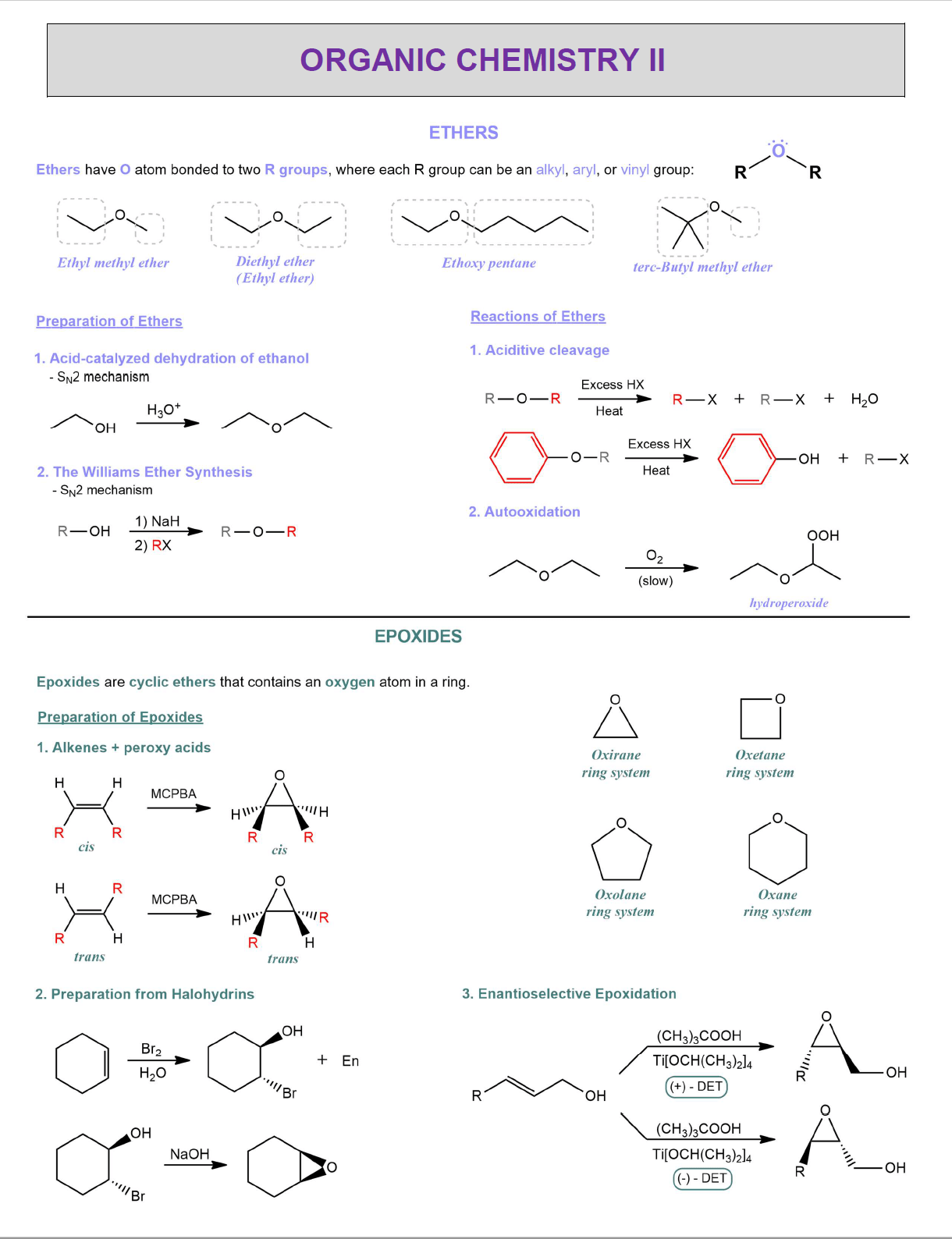
Organic Chemistry II Cheat Sheet Learn Chemistry Online ChemistryScore

Org 2 Summary Sheets Organic chemistry, Organic chemistry study
Org 1 Spec Org 2 Reagents Reactions.
Nucleophilic addition at carbonyl groups: Learn those named (and unnamed) reactions. For each reaction you study, know where and why the electrons are moving. How is it that replacing a single substituent on an alkene can drastically affect the reactivity?
The More Stable The Product, The More Favorable Its Formation Will Be.in Terms Of Rates, This Means That The More Stable The Product, The Faster The Reaction.
Keep up with the material by studying organic chemistry ii a minimum of six days a week. Web organic chemistry ii organic reactions. Starting material (functional group) reagent/reaction conditions product (functional group) mechanism / mechanism features special features (stereochemistry, regiochemistry, kinetic, thermodynamic, etc.) 1. Over 400+ blog posts to guide you through introductory organic chemistry, organized by subject.
Buy And Use A Model Kit.
01 bonding, structure, and resonance. Why is it that diene a is more stable than diene b? Nucleophilic addition at carbonyl groups: Conjugation, and why it matters.
From Alkenes By Allylic Bromination ( Section 10.3) From Alcohols ( Section 10.5 ) (1) Reaction With Hx.
Web organic chemistry ii review jasperse some fundamental stability/reactivity principles 3 2. For example, why is it that alkene c does not react with electrophiles such as alkyl halides, but alkene. Web don’t simply memorize concepts, learn the concepts by working exercises. No stereochemistry is implied unless specifically indicated with wedged, solid, and dashed lines.