Organic Chemistry 2 Mechanisms Cheat Sheet
Organic Chemistry 2 Mechanisms Cheat Sheet - Over 400+ blog posts to guide you through introductory organic chemistry, organized by subject. 1° alcohols oxidized to carboxylic acids. 05 a primer on organic reactions. Oxidation with 1° pyridinium alcohols can either o aldehydes or carboxylic acids (depends on conditions) acetone chlorochromate be oxidized to (pcc) o cr cl oh h2cro4 [o] o oh n. Web don’t simply memorize concepts, learn the concepts by working exercises. Learn those named (and unnamed) reactions. Nitration, halogenation, sulfonation alcohols 1. Halogenation alkenes and alkynes 1. Con on — redo dion san add h ion , c+ An atom (which must have a lone pair to give) b.
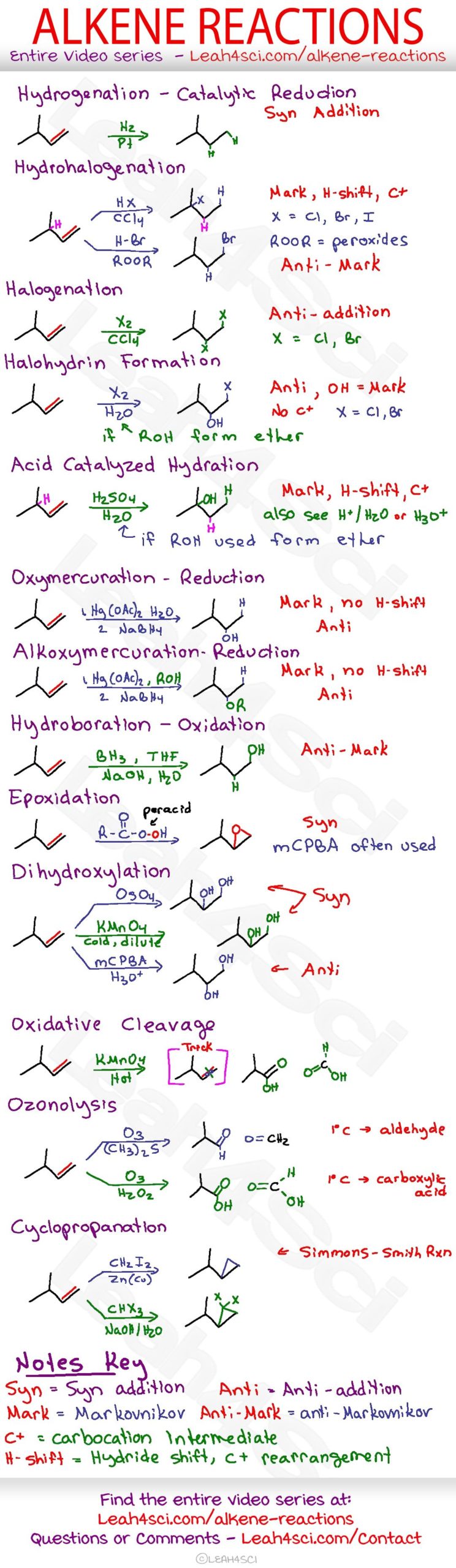
Chemistry Cheat Sheet Printable Printable Word Searches
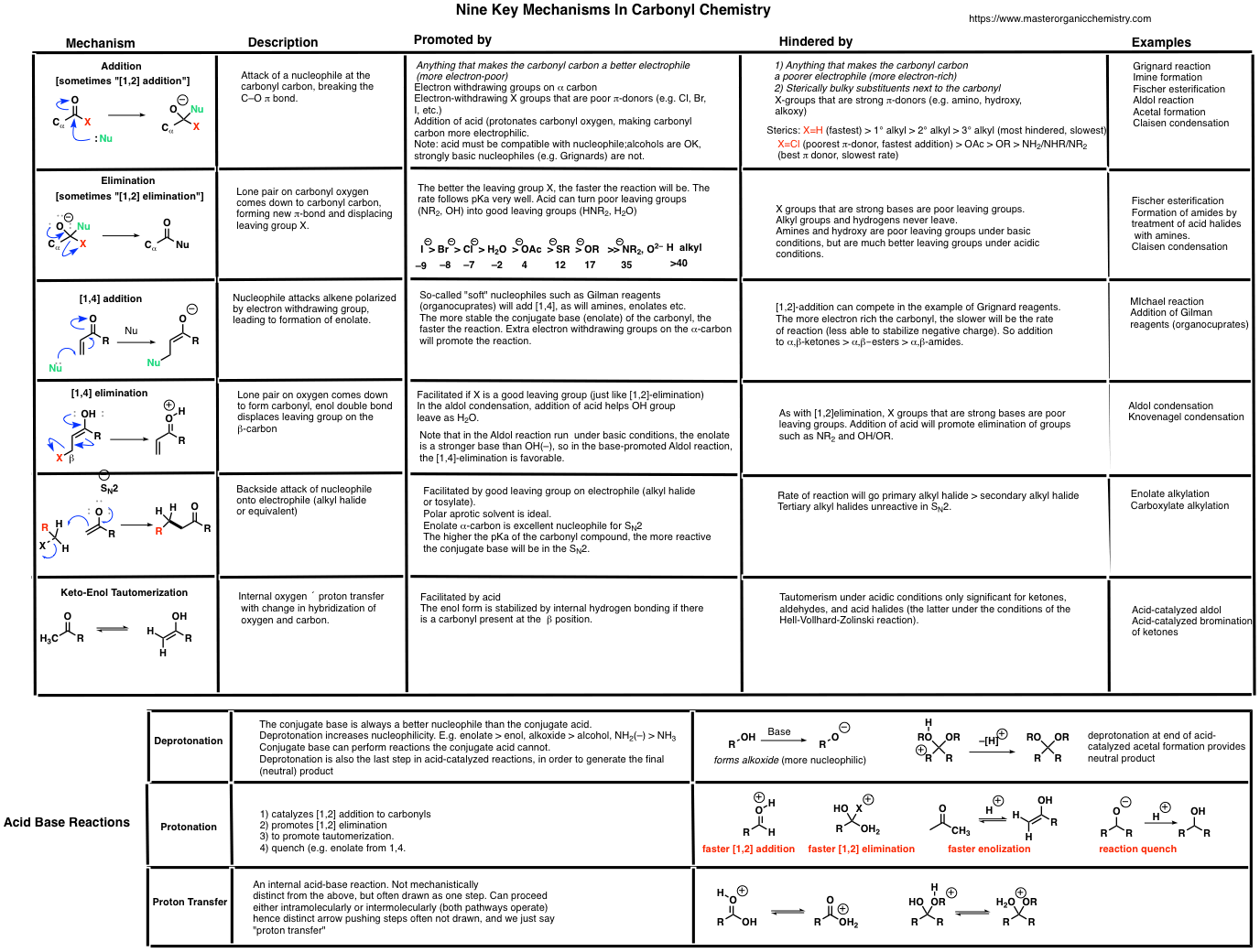
Organic Chemistry Reactions Cheat Sheet

Chemistry Cheat Sheet Printable Printable Word Searches
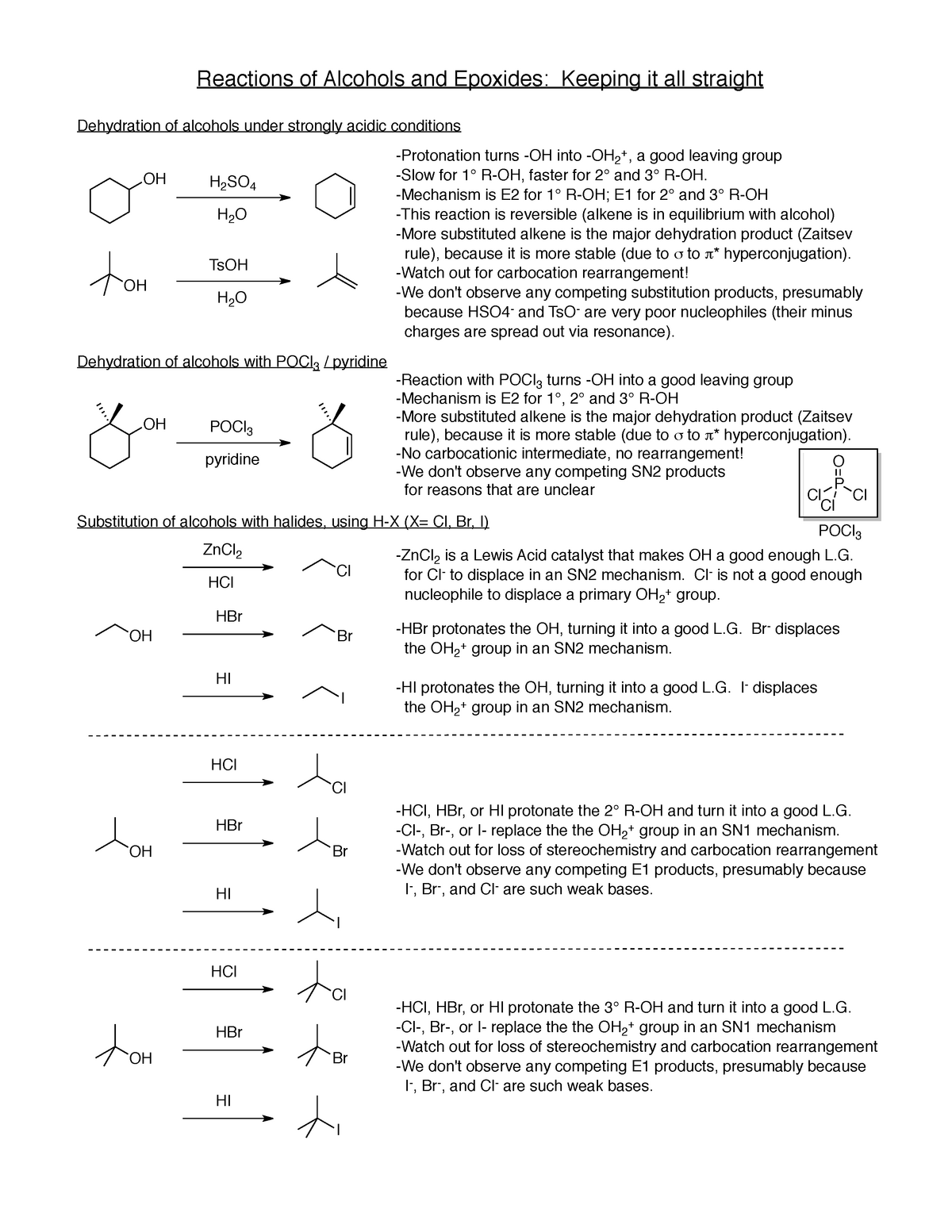
Organic Chemistry Reactions Cheat Sheet

Organic Chemistry 1 Cheat Sheet My XXX Hot Girl

Organic Chemistry Reagents Cheat Sheet Cheat Sheet
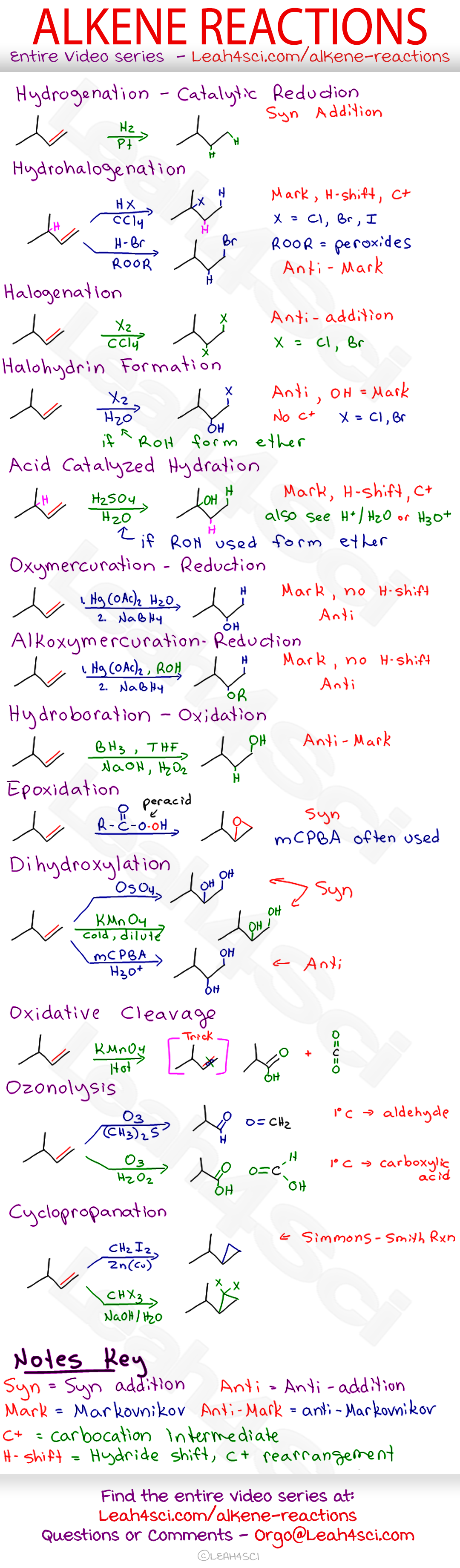
Organic Chemistry Reactions Cheat Sheet
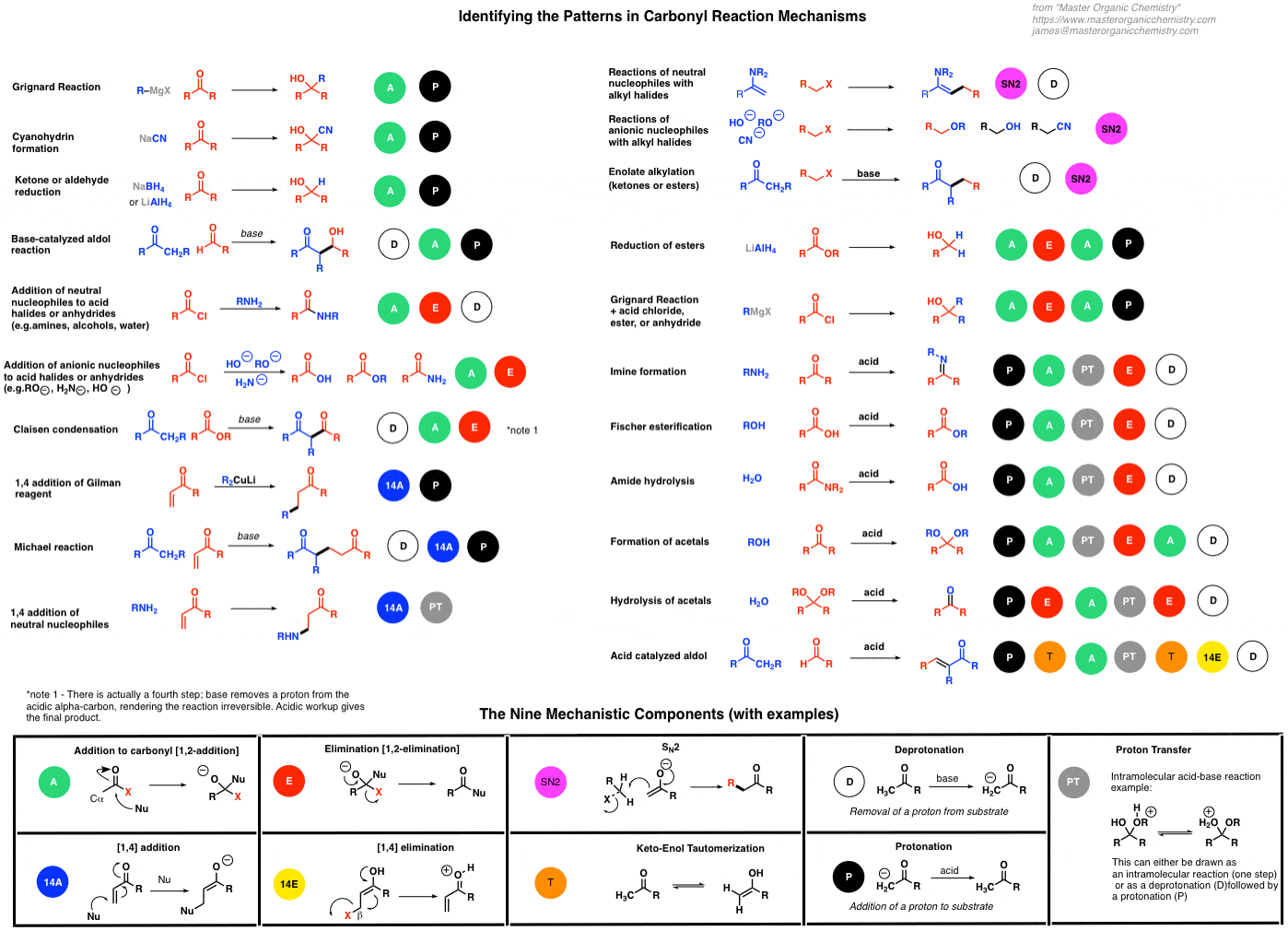
Organic Chemistry Reactions Cheat Sheet

Pin by daniel shimonov on Orgo Organic chemistry study, Chemistry

attachment.php 1,754×1,240 pixels Organic chemistry, Organic
Over 400+ Blog Posts To Guide You Through Introductory Organic Chemistry, Organized By Subject.
05 a primer on organic reactions. Halogenation alkenes and alkynes 1. 1° alcohols oxidized to carboxylic acids. Web organic chemistry is awesome.
Keep Up With The Material By Studying Organic Chemistry Ii A Minimum Of Six Days A Week.
An atom (which must have a lone pair to give) b. Hydrogenation, halogenation, hydrohalogenation, hydration 2. Web 1° alcohols oxidized acetone to carboxylic acids h3c oh [o] h3c h. Nitration, halogenation, sulfonation alcohols 1.
01 Bonding, Structure, And Resonance.
Some rules for the appearance of arrows • the arrow must begin from the electron source. Web the ability to write an organic reaction mechanism properly is key to success in organic chemistry classes. H [o] o o h3c oh. Organic chemistry reactions reactions organized by compound families alkanes 1.
Oxidation With 1° Pyridinium Alcohols Can Either O Aldehydes Or Carboxylic Acids (Depends On Conditions) Acetone Chlorochromate Be Oxidized To (Pcc) O Cr Cl Oh H2Cro4 [O] O Oh N.
Learn those named (and unnamed) reactions. Web don’t simply memorize concepts, learn the concepts by working exercises. Organic chemists use a technique called arrow pushing to depict the flow or movement of electrons during chemical reactions. For each reaction you study, know where and why the electrons are moving.