Hem Sheet Metal
Hem Sheet Metal - Web sheet metal hems, edges and seams. They also enhance the aesthetic appeal. The rounded edges make the sheet metal safer to handle. 10k views 3 years ago sheet metal. Web a sheet metal hem’s primary purpose is to create a smooth, rounded, or folded edge on a piece of sheet metal. When working with a brake press hems are always created in a two step process: Web hemming and seaming are two similar metalworking processes in which a sheet metal edge is rolled over onto itself. Hems are commonly used to reinforce an edge, hide burrs and rough edges, and improve appearance. This video discusses the different commonly used. Hemming is the process in which the edge is rolled flush to itself, while a seam joins the edges of two materials.
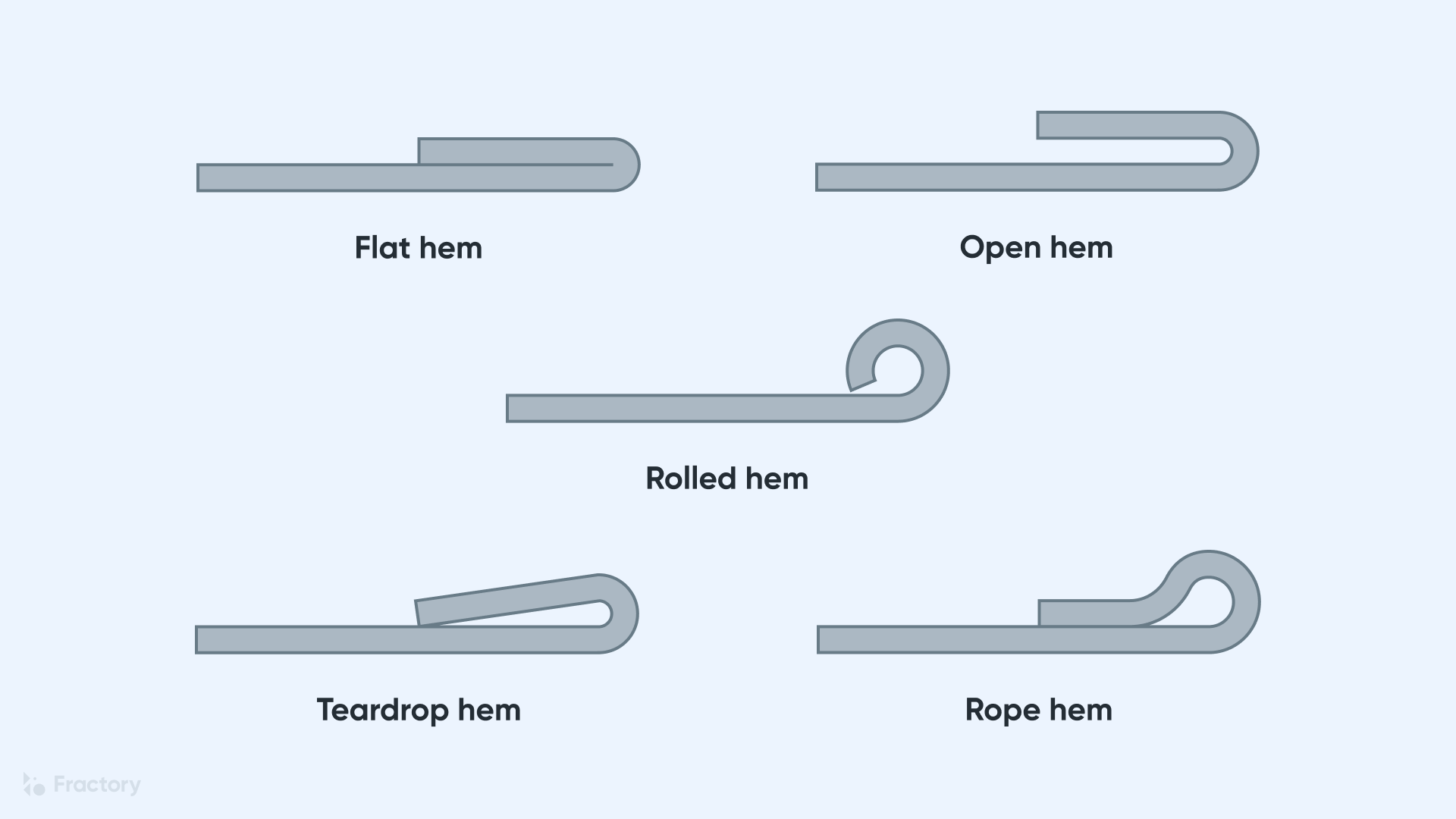
Sheet Metal Hemming Hem Types & Processes Explained Fractory

Inventor Sheet Metal Hems

Common Sheet Metal Fabrication Techniques Meta Fab, Inc.

Rolled Wire Sheet Metal Hems Mad About

Rolled Wire Sheet Metal Hems Mad About
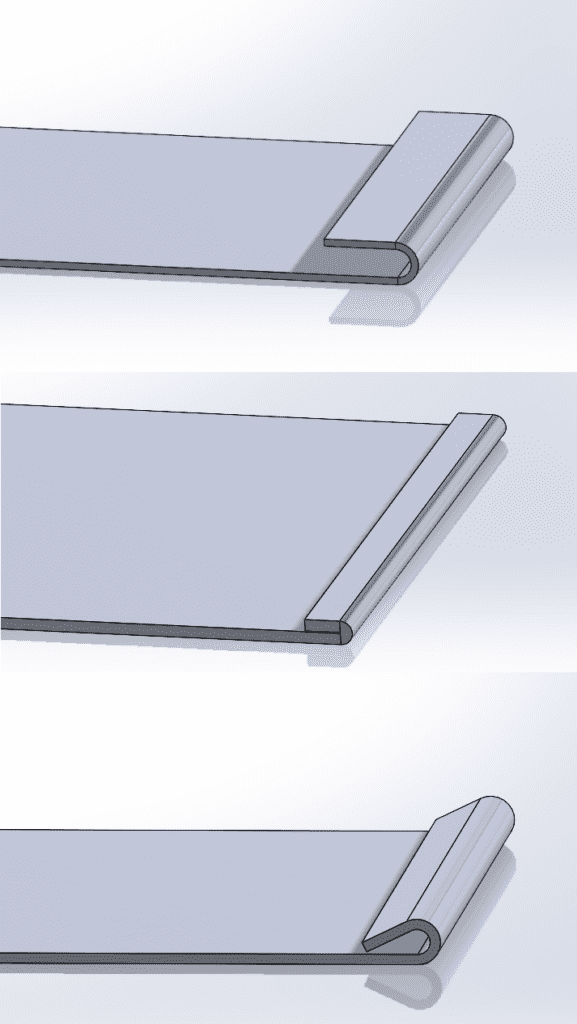
4 Common Types of Sheet Metal Hems (Updated for 2023) ASM
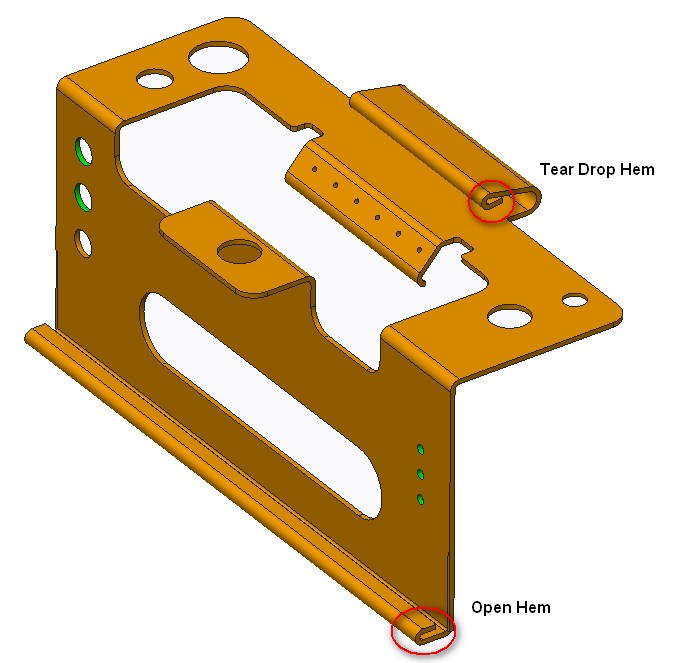
Sheet Metal Design Guidelines DFMPro

Sheet Metal Hemming Hem Types & Processes Explained Fractory
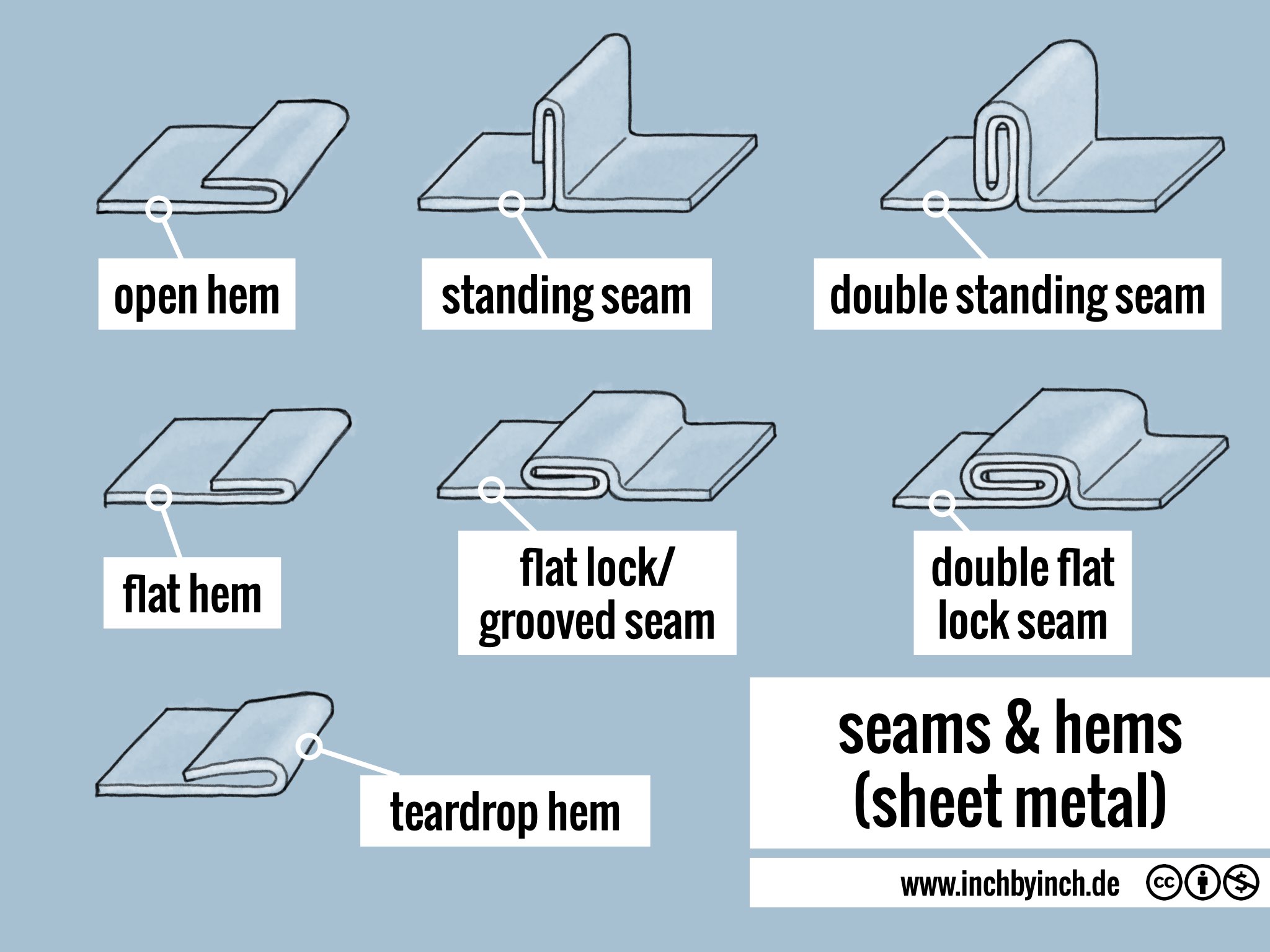
Pictorial Archives INCH
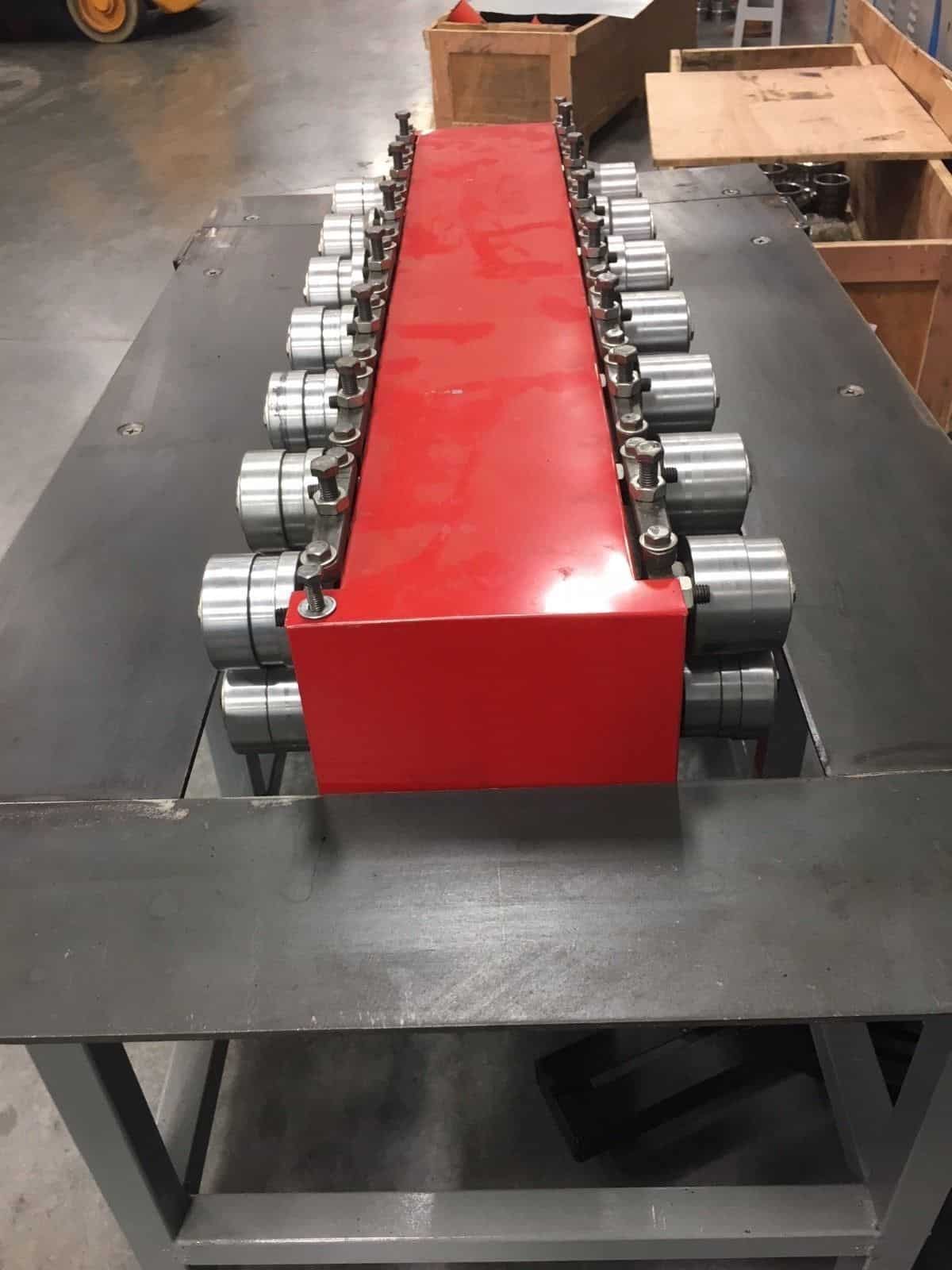
Sheet Metal Edge Hemmer Roll Former CSC Machine
Hemming Is The Process In Which The Edge Is Rolled Flush To Itself, While A Seam Joins The Edges Of Two Materials.
The rounded edges make the sheet metal safer to handle. When working with a brake press hems are always created in a two step process: Web in sheet metal hemming means to fold the metal back on itself. 10k views 3 years ago sheet metal.
This Video Discusses The Different Commonly Used.
They also enhance the aesthetic appeal. Web sheet metal hems, edges and seams. Web hemming and seaming are two similar metalworking processes in which a sheet metal edge is rolled over onto itself. Hems are commonly used to reinforce an edge, hide burrs and rough edges, and improve appearance.
Web A Sheet Metal Hem’s Primary Purpose Is To Create A Smooth, Rounded, Or Folded Edge On A Piece Of Sheet Metal.
Create a bend with acute angle tooling in the metal, 30° is preferable but 45° will work for some circumstances. Hemming also adds rigidity and strength to the metal, increasing its durability.