Compost Cheat Sheet
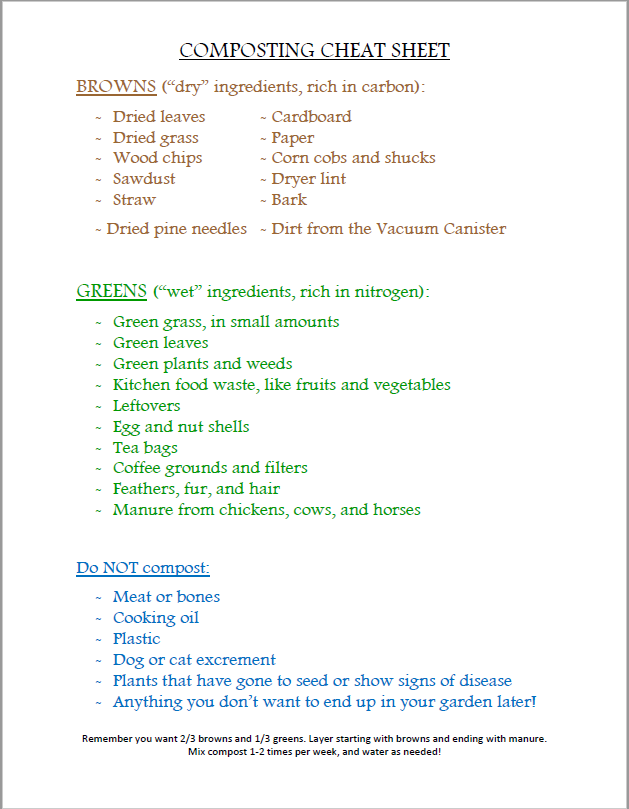
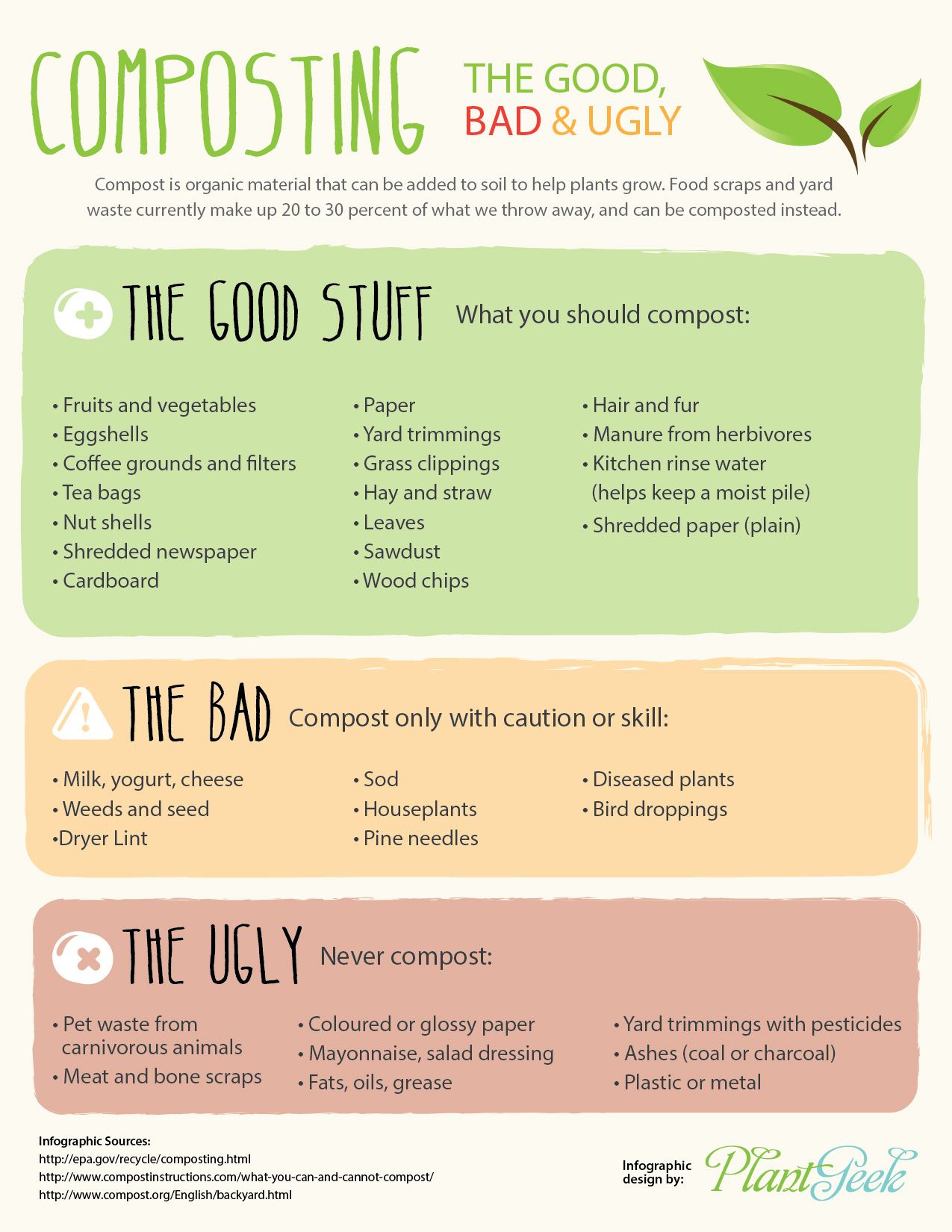
Compost Cheat Sheet - If these materials were diverted to another use that kept them out of the trash, a significant portion of the country’s everyday waste could be recovered for reuse. Composting is nature’s way of recycling organic materials back into the soil in order for the cycle of life to continue. Add about two inches (2”) of compost to new beds and about one inch (1”) of compost each year to existing beds. Municipal solid waste stream is composed of food remnants and yard trimmings. The billions of living organisms in healthy soil transform dead plants into vital nutrients for new plant growth. Since healthy plants come from healthy soil, one of the best ways you can build healthy. Web if you need a helpful reminder of what those ratios are, here’s a free composting cheat sheet to print out and post on your fridge or leave near your pile check out the video above to make sure you're creating a compost house with a carbon (brown) floor, and roof, with your chopped green (nitrogen) furniture and a handful of soil clustered. • mulch or “top dress” planted areas, • amend soil prior to planting, • enhance potting media. Composting according to the epa, 24 percent of the u.s. Incorporate the compost into the soil as much as possible.

Custodial & Recycling Services Johns Hopkins Facilities & Real Estate

Just studying my compost cheat sheet here... Ridgeview
Start a Pallet Composting Bin for Free! The Way Homestead

Lomi Home Composter Review Compost Bioplastics & Food at Home The
We compost! Do you?? — Nourish Hanalei

Just started a compost today. This fact sheet is rather confusing where
Reduce Your Food Waste by Logging It! NCCC

Compost Cheat Sheet Compost, Compost soil, Composting 101

FREE downloadable PDF to hang on your fridge providing quick reference

Cheat Sheet Composting Cheat sheets, Compost, Cheating
Finished Compost Can Be Used To:
If these materials were diverted to another use that kept them out of the trash, a significant portion of the country’s everyday waste could be recovered for reuse. Add about two inches (2”) of compost to new beds and about one inch (1”) of compost each year to existing beds. The billions of living organisms in healthy soil transform dead plants into vital nutrients for new plant growth. Incorporate the compost into the soil as much as possible.
Composting According To The Epa, 24 Percent Of The U.s.
Web learn the benefits of using compost in your garden, what to add to it, items to keep out of compost, and how to get it started quickly. Web if you need a helpful reminder of what those ratios are, here’s a free composting cheat sheet to print out and post on your fridge or leave near your pile check out the video above to make sure you're creating a compost house with a carbon (brown) floor, and roof, with your chopped green (nitrogen) furniture and a handful of soil clustered. Municipal solid waste stream is composed of food remnants and yard trimmings. Composting is nature’s way of recycling organic materials back into the soil in order for the cycle of life to continue.
Since Healthy Plants Come From Healthy Soil, One Of The Best Ways You Can Build Healthy.
• mulch or “top dress” planted areas, • amend soil prior to planting, • enhance potting media.